Festivals in January 2026: January 2026 brings an incredible lineup of festivals across India that celebrate everything from harvest seasons to national pride. This guide is perfect for travelers planning their winter trips, locals wanting to join nearby celebrations, and culture enthusiasts eager to experience authentic Indian traditions.
You’ll discover major religious and cultural festivals like Makar Sankranti and Pongal that mark the harvest season with colorful kites, sweet treats, and family gatherings. We’ll also explore spiritual celebrations including temple festivals and holy gatherings that draw devotees from across the country. Finally, we’ll cover patriotic events like Republic Day that showcase India’s unity through grand parades and cultural performances.
The pleasant winter weather makes January ideal for festival hopping, and each celebration offers unique experiences – from flying kites in Gujarat to watching traditional folk dances in Tamil Nadu. Get ready to dive into a month packed with vibrant traditions, delicious regional foods, and unforgettable cultural moments.
Festivals in January 2026: Major Religious and Cultural Festivals Celebrating Harvest Season
Makar Sankranti – National Festival with Regional Variations
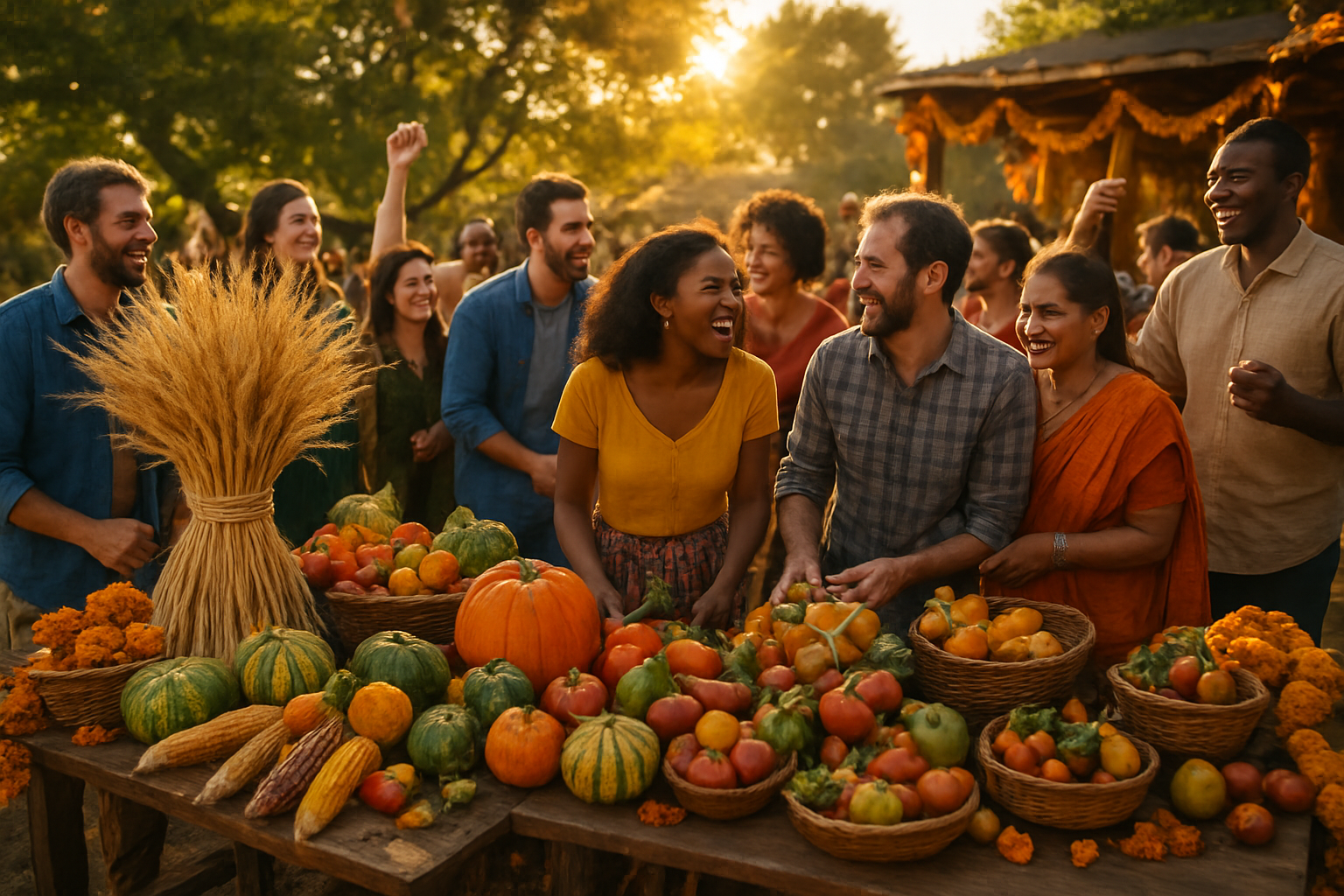
Makar Sankranti stands as one of India’s most significant national festivals, celebrated throughout the country to mark the sun’s movement into the zodiac sign of Capricorn. This auspicious occasion signifies harvest season, new beginnings, and prosperity across diverse communities. The festival’s beauty lies in its remarkable regional variations that showcase India’s cultural diversity while maintaining its core spiritual essence.
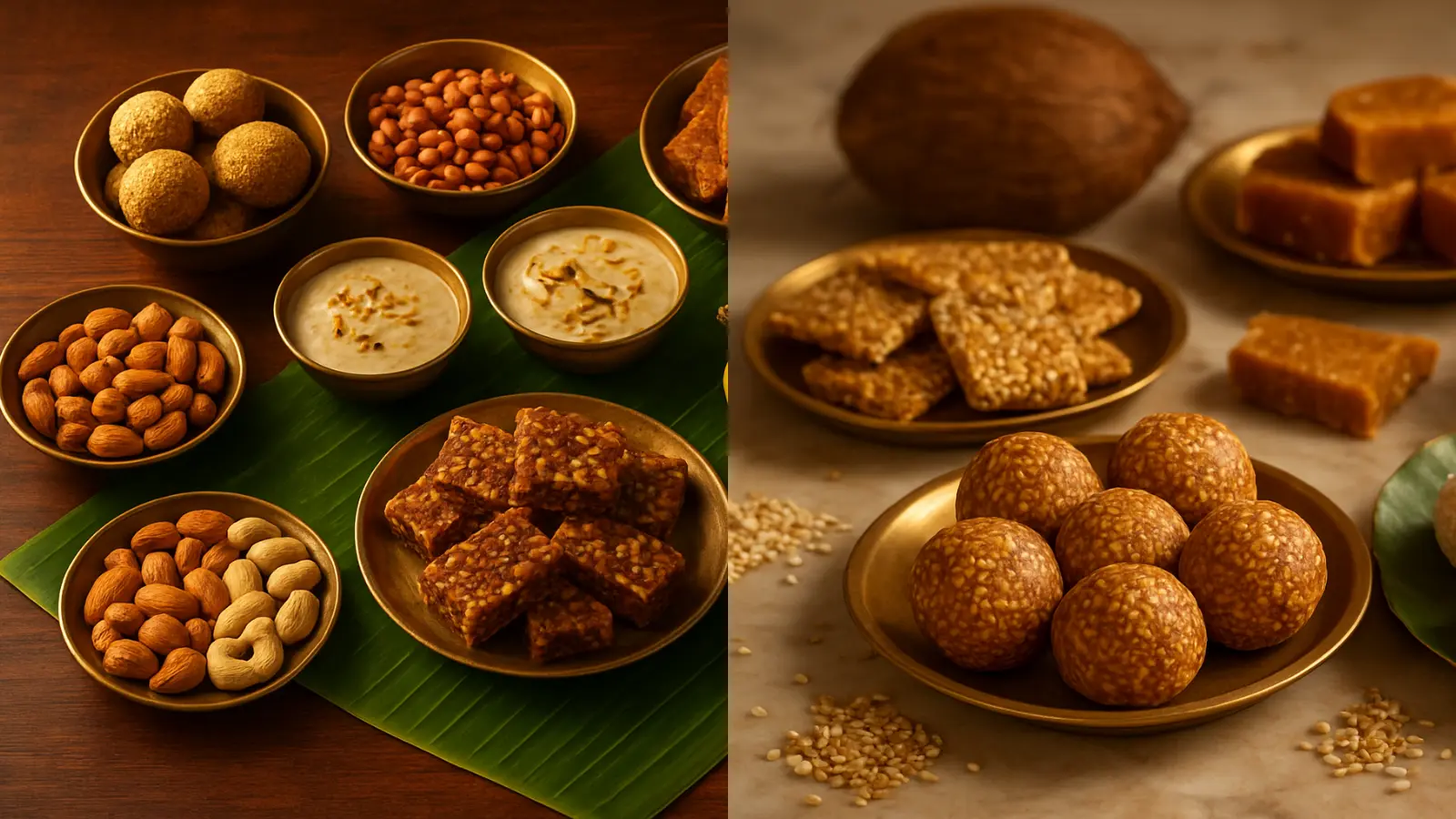
In Gujarat, the celebration transforms into a spectacular sky festival where kite flying becomes the primary attraction, with colorful kites dotting the horizon as families gather on rooftops. Meanwhile, Maharashtra embraces the festival through the preparation and distribution of traditional jaggery sweets, symbolizing the sweetness and abundance of the harvest season. These regional interpretations demonstrate how a single festival adapts to local customs while preserving its fundamental significance of honoring the sun god and celebrating agricultural abundance.
Pongal – Tamil Nadu’s Harvest Celebration with Traditional Foods
Pongal emerges as Tamil Nadu’s premier harvest festival, where families unite to prepare the special dish that shares the festival’s name. This four-day celebration centers around the preparation of ‘Pongal,’ a sweet rice dish cooked with jaggery and milk, symbolizing prosperity and gratitude for nature’s bounty. The festival’s culinary traditions extend far beyond this signature dish, encompassing a rich tapestry of traditional foods that showcase Tamil Nadu’s gastronomic heritage.
The celebration involves elaborate home decorations featuring colorful rangolis that transform household entrances into vibrant artistic displays. These intricate patterns, created using rice flour and natural colors, serve both decorative and spiritual purposes. Pongal honors farming communities and nature itself, acknowledging the interconnectedness between human prosperity and agricultural success. Through its emphasis on traditional dishes and cultural practices, the festival serves as a vital link preserving Tamil Nadu’s ancestral wisdom and culinary traditions for future generations.
Kodava New Year – Coorg’s Regional Farming Festival
The Kodava New Year, celebrated under the names Kailpodhu or Kaveri Kodava Festival, represents Coorg’s distinct regional identity within India’s festival calendar. This special celebration holds particular significance for the farming communities of Kodagu, marking the ceremonial beginning of the agricultural season. The festival’s unique character emerges through its deep connection to local agricultural cycles and community traditions.
Families participate in meaningful rituals by offering the first grains of their harvest to local gods and ancestors, creating a sacred bridge between past and present agricultural practices. The celebration encompasses traditional folk dances and music that have been passed down through generations, preserving Coorg’s cultural identity. These festivities include elaborate rituals that honor both divine blessings and ancestral guidance, ensuring continued prosperity for the farming season ahead.
Surya Jayanti – South Indian Sun God Worship
Surya Jayanti represents a profound spiritual celebration dedicated to the Sun god, particularly observed across South Indian states with great devotion and traditional fervor. This festival focuses on temple rituals and special offerings designed to invoke blessings for health and successful harvests. The celebration emphasizes the sun’s vital role in agricultural cycles and human well-being.
In Karnataka and Andhra Pradesh, temples become centers of spiritual activity where special prayers are conducted with elaborate ceremonies. Devotees gather to offer prayers specifically requesting divine intervention for health and agricultural prosperity. These temple rituals involve traditional offerings and ceremonial practices that have been maintained for centuries, reflecting the deep spiritual connection between communities and solar worship in South Indian religious traditions.
Festivals in January 2026: Spiritual and Devotional Celebrations
Kumbh Mela – Holy River Bathing and Spiritual Gatherings
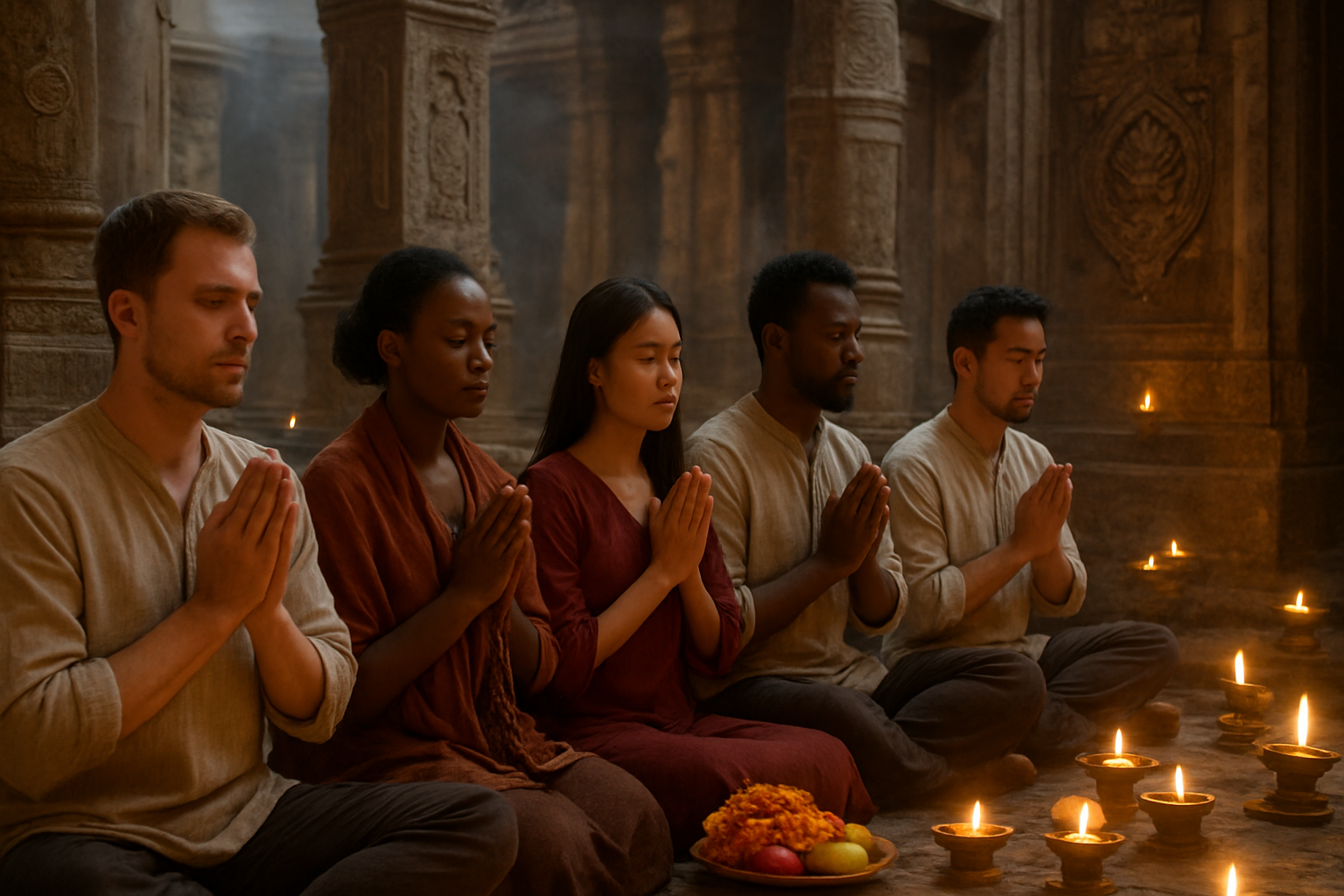
The sacred tradition of Kumbh Mela extends beyond its renowned North Indian celebrations, manifesting in smaller yet equally significant local holy events throughout South Indian states like Tamil Nadu and Karnataka during January. These spiritual gatherings center around the profound ritual of holy bathing in rivers, where devoted pilgrims immerse themselves in sacred waters believed to cleanse sins and purify the soul.
The festival atmosphere comes alive with elaborate rituals and vibrant spiritual fairs that create an immersive cultural experience. Saint Parades form a spectacular highlight of these gatherings, featuring revered religious figures and spiritual leaders who bless the assembled devotees. The air resonates with traditional music that has been passed down through generations, creating a deeply moving spiritual ambiance that connects participants with their ancestral heritage.
For travelers seeking authentic cultural experiences, these events offer unparalleled opportunities to witness devotees performing time-honored rituals and joining in spiritual gatherings that have remained unchanged for centuries. The communal aspect of these celebrations fosters a sense of unity among participants, regardless of their geographical or social backgrounds.
Vasant Panchami – Goddess Saraswati Worship for Knowledge
Moving from the communal river celebrations, Vasant Panchami represents a distinctly different yet equally profound spiritual observance dedicated to Goddess Saraswati, the revered deity of knowledge and learning. This festival holds particular significance across India, with especially fervent celebrations in West Bengal and Bihar, where the goddess receives elaborate worship and devotion.
The festival attracts diverse groups of devotees, including teachers who seek blessings for wisdom in their educational endeavors, students praying for academic success, and artists requesting divine inspiration for their creative pursuits. The worship rituals involve specific prayers, offerings, and ceremonies that honor Saraswati’s role as the bestower of knowledge, arts, and learning.
Beyond its spiritual significance, Vasant Panchami serves as nature’s herald, announcing the arrival of spring season. The timing coincides beautifully with the blooming of mustard fields, creating golden landscapes that symbolize prosperity and renewal. This natural phenomenon adds a layer of environmental celebration to the religious observance, making it a festival that honors both divine knowledge and the earth’s seasonal cycles.
Temple Rituals and Religious Offerings Across Regions
With the spiritual foundations established through river ceremonies and goddess worship, temple rituals and religious offerings form the backbone of January’s devotional landscape across various Indian regions. These sacred practices manifest differently across geographical areas, each carrying distinct regional flavors while maintaining core spiritual principles.
In South India, Surya Jayanti stands as a prominent example of regional temple celebrations, particularly observed in Karnataka and Andhra Pradesh. These ceremonies involve elaborate temple rituals and specific offerings dedicated to health and successful harvesting. The rituals reflect the agricultural importance of the season, where communities seek divine blessings for both physical well-being and bountiful crops.
The temple ceremonies during Kumbh Mela periods further demonstrate the diversity of religious practices, where devotees engage in structured rituals and participate in organized spiritual gatherings. These activities create a comprehensive worship experience that combines individual devotion with community participation, fostering both personal spiritual growth and collective religious bonding.
National Pride and Patriotic Celebrations
 Download Image
Republic Day – Grand Parades and Cultural Displays
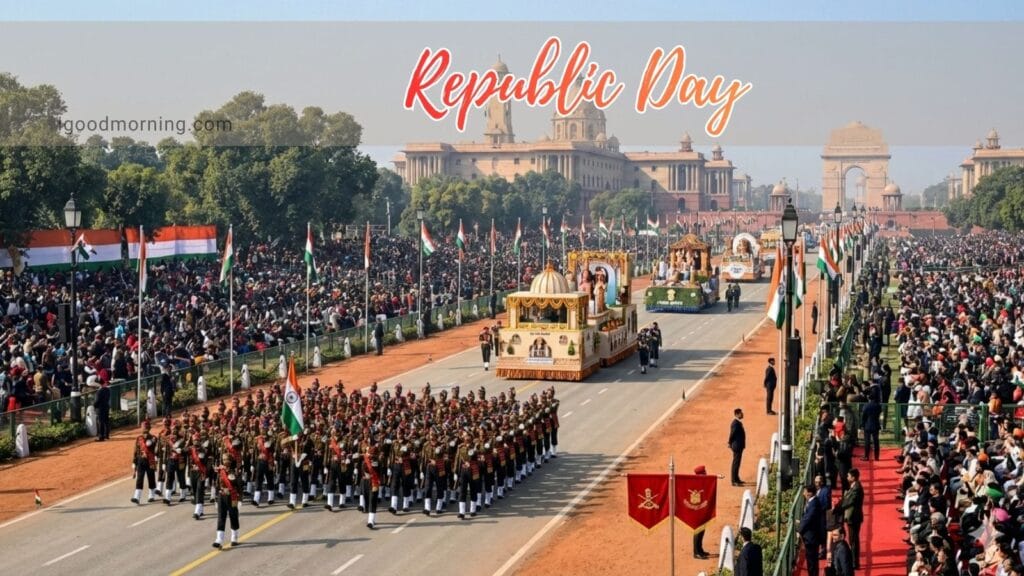
Republic Day stands as one of India’s most significant national festivals and public holidays, commemorating the historic adoption of India’s constitution in 1950. This momentous celebration transforms the capital city of New Delhi into a spectacular showcase of the nation’s cultural heritage, military prowess, and technological achievements through its renowned grand parade.
The festivities center around an elaborate parade that serves as the cornerstone of Republic Day celebrations. This magnificent display brings together multiple facets of Indian society, creating a comprehensive representation of the country’s evolution since independence. The parade functions as both a celebration of constitutional values and a demonstration of national capabilities, drawing millions of spectators and capturing international attention.
The cultural displays during Republic Day celebrations showcase the artistic richness that defines India’s diverse heritage. Traditional performances, vibrant costumes, and regional art forms create a visual tapestry that represents the nation’s cultural depth and artistic excellence.
Military Demonstrations and Technological Progress Showcase
Now that we have covered the foundational aspects of Republic Day celebrations, the military demonstrations form a central and commanding presence within the grand parade. These displays prominently feature India’s military power, highlighting the strategic capabilities and advanced skills of the armed forces.
The technological progress showcase represents a crucial component of the Republic Day parade, demonstrating India’s advancement in defense technology and innovation. This segment reveals the nation’s commitment to modernization and self-reliance in defense capabilities, featuring cutting-edge equipment and sophisticated military hardware that reflects years of research and development.
Unity in Diversity Through State Performances
With this impressive display of military strength in mind, next, we’ll see how Republic Day celebrations truly come alive through the patriotic performances representing different states across India. These state performances create a magnificent mosaic of cultural traditions, featuring traditional dances and colorful displays that embody India’s rich cultural customs.
Each state contributes unique elements to the celebration, presenting their distinctive dance forms, musical traditions, and artistic expressions. These performances serve as powerful symbols of national unity, demonstrating how diverse cultural traditions can coexist harmoniously within a single national identity. The colorful displays create an atmosphere of celebration while reinforcing the constitutional principle of unity in diversity that defines modern India.
Regional Traditions and Local Cultural Experiences
 Download Image
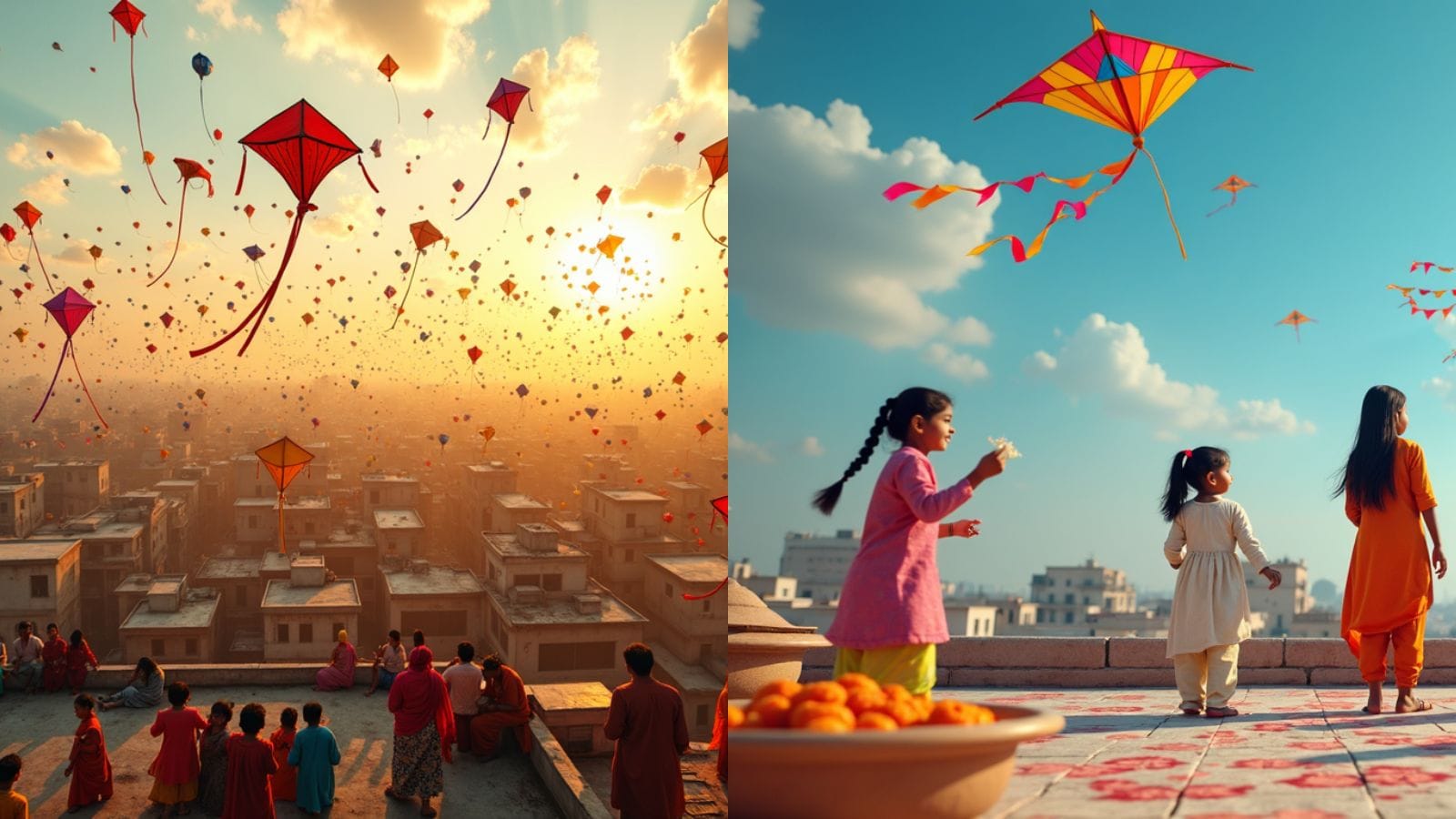
Kite Flying Traditions in Gujarat During Makar Sankranti
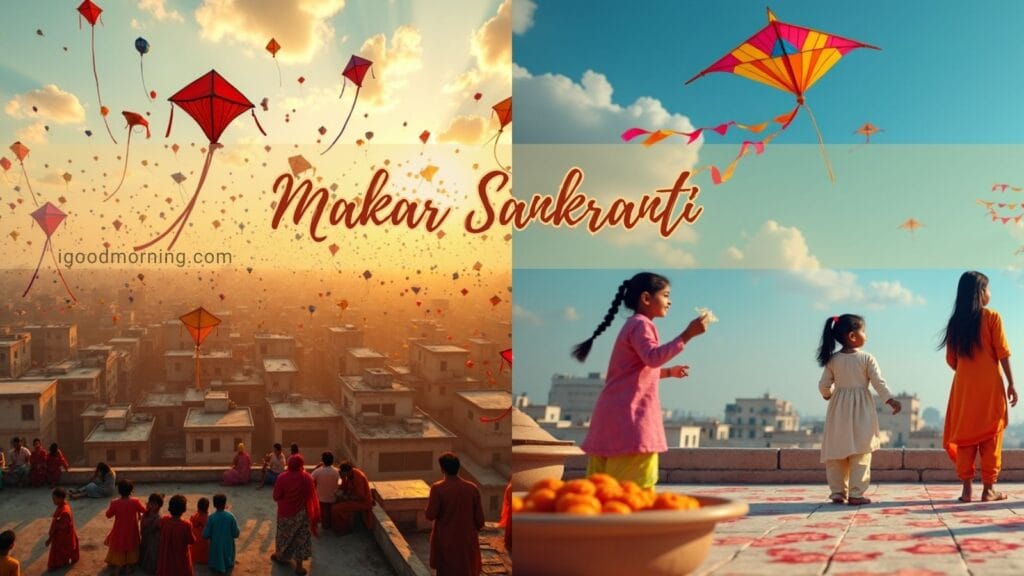
The skies over Gujarat transform into a vibrant canvas during Makar Sankranti, as thousands of colorful kites dance against the winter sky. This centuries-old tradition represents one of the most spectacular regional celebrations of January, where entire communities gather on rooftops and open spaces to participate in this aerial festival. The kite flying tradition during Makar Sankranti is not merely a recreational activity but a deeply rooted cultural expression that brings together people of all ages in friendly competition and celebration.
Rangoli Decorations and Family Celebrations
 Download Image
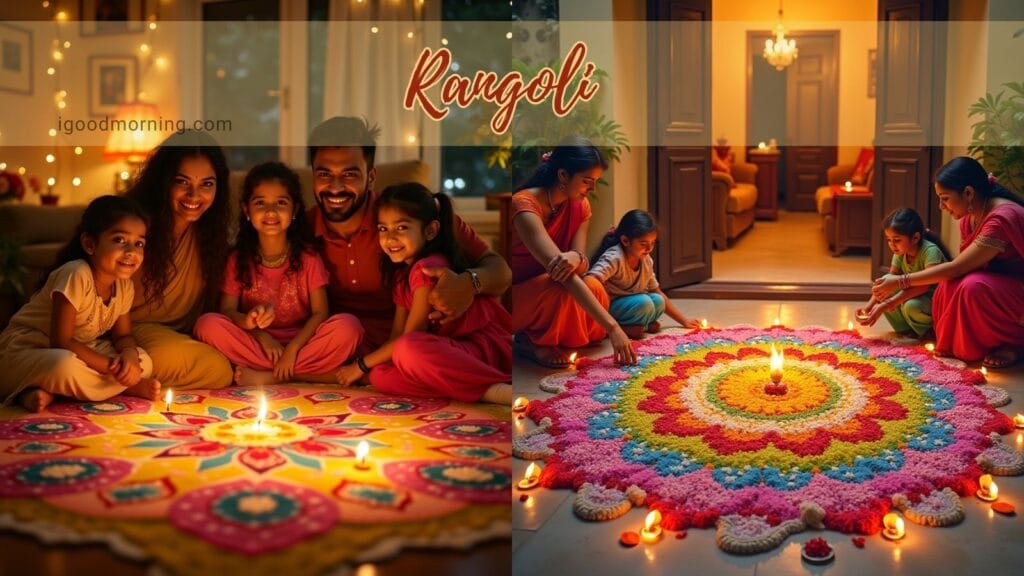
Previously, we’ve explored how harvest festivals unite communities, and rangoli decorations serve as a beautiful extension of these celebrations, particularly during Pongal festivities. Families across regions dedicate time to creating intricate rangoli patterns using colored rice, flower petals, and traditional powders at the entrance of their homes. These colorful geometric and floral designs are more than decorative elements – they represent prosperity, welcome guests, and invoke divine blessings for the household. The rangoli tradition strengthens family bonds as multiple generations work together to create these temporary masterpieces.
Traditional Music and Folk Dances Across States
Now that we have covered the visual aspects of regional celebrations, traditional music and folk dances form the rhythmic heartbeat of January festivals across various states. The Kodava New Year celebrations showcase authentic folk dances accompanied by traditional music that has been passed down through generations. During Republic Day festivities, the nation witnesses a magnificent display of traditional dances from various states, each representing unique cultural heritage and regional identity. The sacred atmosphere of Kumbh Mela is further enhanced by traditional music experiences that create a spiritual ambiance for pilgrims and visitors.
Local Clothing and Community Gatherings
With this in mind, next, we’ll see how traditional attire and community gatherings complete the cultural experience of January festivals. The Kodava New Year exemplifies this beautifully, where participants don traditional Kodava clothing that reflects their rich heritage. These community gatherings extend beyond mere social interactions – they involve the preparation of local foods and sweets using traditional recipes, creating an authentic cultural immersion. Cultural programs organized during these celebrations provide platforms for local artists to showcase their talents while preserving age-old traditions for future generations.
Travel and Tourism Opportunities During Festival Season
Weather Advantages for Cultural Exploration
January presents significant weather advantages for cultural exploration, featuring pleasant winter conditions with bright blue skies that create optimal circumstances for discovering India’s rich heritage. The comfortable temperatures make it an ideal time to immerse yourself in the country’s ancient culture and experience the vibrant festive energy that permeates this season. Unlike the intense heat of summer or the unpredictability of monsoon seasons, January’s mild climate allows travelers to spend extended periods outdoors, participating in celebrations and exploring cultural sites without weather-related constraints.
Traditional Food Experiences and Local Cuisine
Now that we’ve covered the favorable weather conditions, the culinary landscape during January festivals offers extraordinary gastronomic adventures. Traditional food experiences become a central highlight of festival season, providing visitors with authentic tastes of regional specialties. In Maharashtra, travelers can indulge in festive meals featuring jaggery sweets during Makar Sankranti celebrations, experiencing the traditional flavors that define this harvest festival. Tamil Nadu offers its own culinary treasures through special Pongal dishes, showcasing the state’s unique approach to celebrating the season with rice-based delicacies and regional preparations. The Kodava New Year brings additional opportunities to sample local foods and sweets specific to this community’s traditions, creating a diverse palette of flavors across different cultural celebrations.
Witnessing Ancient Rituals and Spiritual Practices
With this culinary foundation in mind, January festivals provide unparalleled access to ancient rituals and spiritual practices that have been preserved for centuries. Visitors can witness the lively local traditions associated with Makar Sankranti, observing community gatherings and traditional ceremonies that mark this significant harvest celebration. The Kumbh Mela presents particularly profound spiritual experiences, offering opportunities to observe holy baths, participate in age-old rituals, and explore spiritual fairs that attract millions of devotees. These gatherings represent some of the world’s largest religious assemblies, providing insight into India’s deep spiritual heritage. Additionally, the traditional rituals of Kodava New Year demonstrate regional spiritual practices, while Republic Day celebrations allow visitors to witness expressions of India’s unity and national pride, showcasing the country’s diverse yet unified cultural identity.
Photography and Cultural Documentation Opportunities
Previously, I’ve mentioned the rich cultural experiences available during this season, though specific photography and cultural documentation details require further exploration through direct observation during these vibrant celebrations.
Conclusion
January 2026 offers an extraordinary tapestry of festivals that showcase India’s incredible diversity and cultural richness. From the harvest celebrations of Makar Sankranti and Pongal that honor agricultural traditions, to spiritual gatherings like Kumbh Mela and Vasant Panchami that celebrate devotion and learning, the month presents a perfect blend of regional customs and national pride. The grand Republic Day parade stands as a testament to India’s unity and progress, while local festivals like Kodava New Year highlight the unique traditions of different communities.
The pleasant winter weather combined with the festive atmosphere makes January an ideal time for both travelers and locals to immerse themselves in India’s vibrant celebrations. Whether you’re drawn to the colorful kite-flying festivals, traditional music and dance performances, spiritual rituals, or patriotic displays, these festivals offer authentic experiences that connect you with India’s ancient heritage and contemporary spirit. January truly emerges as one of the most culturally enriching months to explore the country’s diverse traditions and joyful celebrations.